On November 3, 2026, Massachusetts voters will decide the future of recreational cannabis sales in the Commonwealth. Question 8 proposes repealing the laws that allow licensed businesses to sell adult-use recreational cannabis, potentially changing an industry that has operated legally in Massachusetts for nearly a decade.
For cannabis consumers, employees, small businesses, and local communities, the consequences could be significant.
At Garden Remedies, with dispensaries in Melrose, Marlborough, and Newton, we have a direct stake in the future of Massachusetts’ cannabis industry. Garden Remedies opposes Question 8, and we believe it’s important for our customers and communities to understand what the proposed repeal would mean.
What Is Massachusetts Ballot Question 8?
In 2016, Massachusetts voters approved recreational cannabis legalization, establishing the foundation for a regulated adult-use market.
Now, nearly ten years later, voters are being asked whether to reverse key parts of that decision.
Question 8, officially titled “Prohibit Retail Sale of Adult Recreational Use Marijuana,” would repeal the laws governing the legal retail sale, regulation, and taxation of recreational cannabis.
If approved, the measure would take effect on January 1, 2028.
Here’s what each vote means:
YES VOTE
Voting YES would end legal recreational cannabis retail sales in Massachusetts and change the state’s cannabis possession laws.
NO VOTE
Voting NO would leave Massachusetts’ existing cannabis laws unchanged, including the regulated recreational market.
Importantly, Question 8 would not make all cannabis possession illegal. Adults 21 and older would still be allowed to possess up to one ounce of cannabis, including no more than five grams of concentrate, under the proposal. Possession of more than one ounce but no more than two ounces would carry a $100 civil penalty and forfeiture.
The state’s medical cannabis program would also remain legal. Read the official Massachusetts Question 8 summary for the full details.
Why Do Some Massachusetts Voters Support Repealing Recreational Cannabis?
Supporters of Question 8 raise concerns about the public health and social consequences of commercial cannabis legalization. Their arguments focus on several issues:
- Youth exposure: Concerns that increased cannabis availability and commercialization may contribute to underage use.
- Mental health: Questions about the relationship between frequent cannabis consumption, high-potency products, and certain mental health conditions.
- Impaired driving: Concerns about cannabis-impaired driving and roadway safety.
- Public health costs: Arguments that the healthcare and social costs associated with cannabis use may outweigh the economic benefits of legalization.
These concerns deserve serious consideration. Cannabis consumption carries risks, particularly for adolescents and certain vulnerable populations. Legalization does not eliminate those risks, and responsible regulation requires ongoing research, education, and enforcement.
Supporters of repeal believe eliminating recreational retail sales would help address these issues while preserving medical cannabis access and limited adult possession.
However, whether eliminating licensed recreational retailers would reduce these harms is a separate question. Ending legal sales would not necessarily eliminate consumer demand.
What Could Happen If Recreational Cannabis Is Repealed in Massachusetts?
1. Consumers Could Lose Access to Regulated Recreational Cannabis
One of the most immediate consequences of Question 8 would be the elimination of legal recreational cannabis retail sales.
Today, licensed Massachusetts dispensaries operate under state regulations governing product testing, packaging, labeling, inventory tracking, and age verification.
These requirements provide safeguards that consumers cannot necessarily expect from unlicensed sellers.
If recreational retail sales were eliminated, adults who do not qualify for or participate in the medical cannabis program would no longer have access to the state’s licensed recreational marketplace.
Some consumers might stop purchasing cannabis. Others could seek products through unregulated channels.
The concern is that consumers who continue purchasing cannabis outside the regulated market may encounter products without the same testing, labeling, and quality-control requirements.
2. Massachusetts Cannabis Businesses Could Face Closures
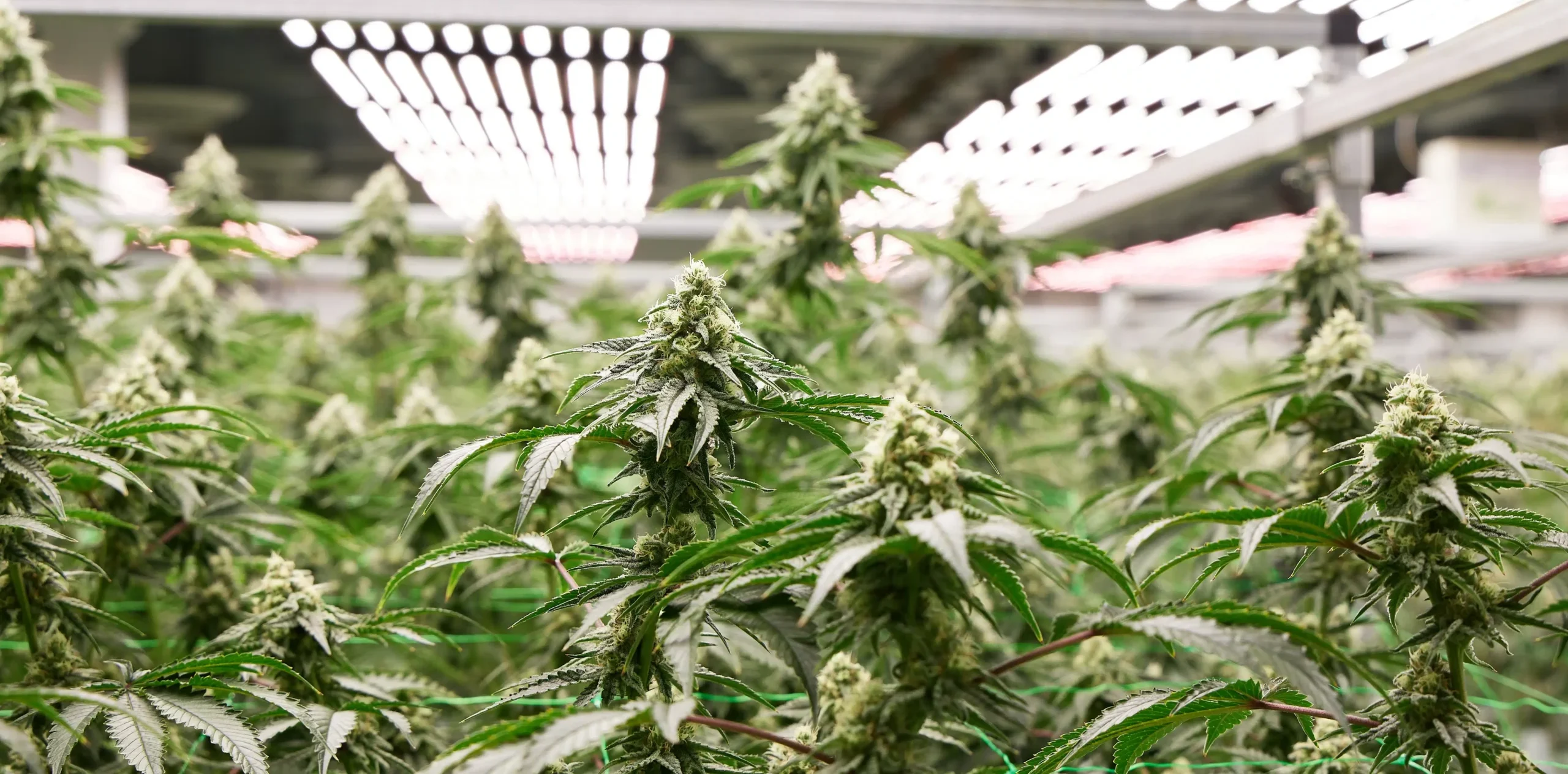
The recreational cannabis industry includes much more than dispensary storefronts.
It supports cultivation facilities, manufacturers, testing laboratories, distributors, technology providers, and other businesses throughout Massachusetts.
Question 8 would eliminate the legal recreational retail market that supports many of these operations.
Existing recreational businesses would be permitted to apply through an expedited process for medical dispensary licenses, but conversion would not necessarily be practical or financially sustainable for every operator.
Businesses that depend heavily on recreational sales could face significant financial challenges, restructuring, or closure.
For companies that have invested in facilities, equipment, employees, and regulatory compliance, the consequences could extend far beyond lost retail revenue.
3. Thousands of Cannabis Industry Jobs Could Be Affected
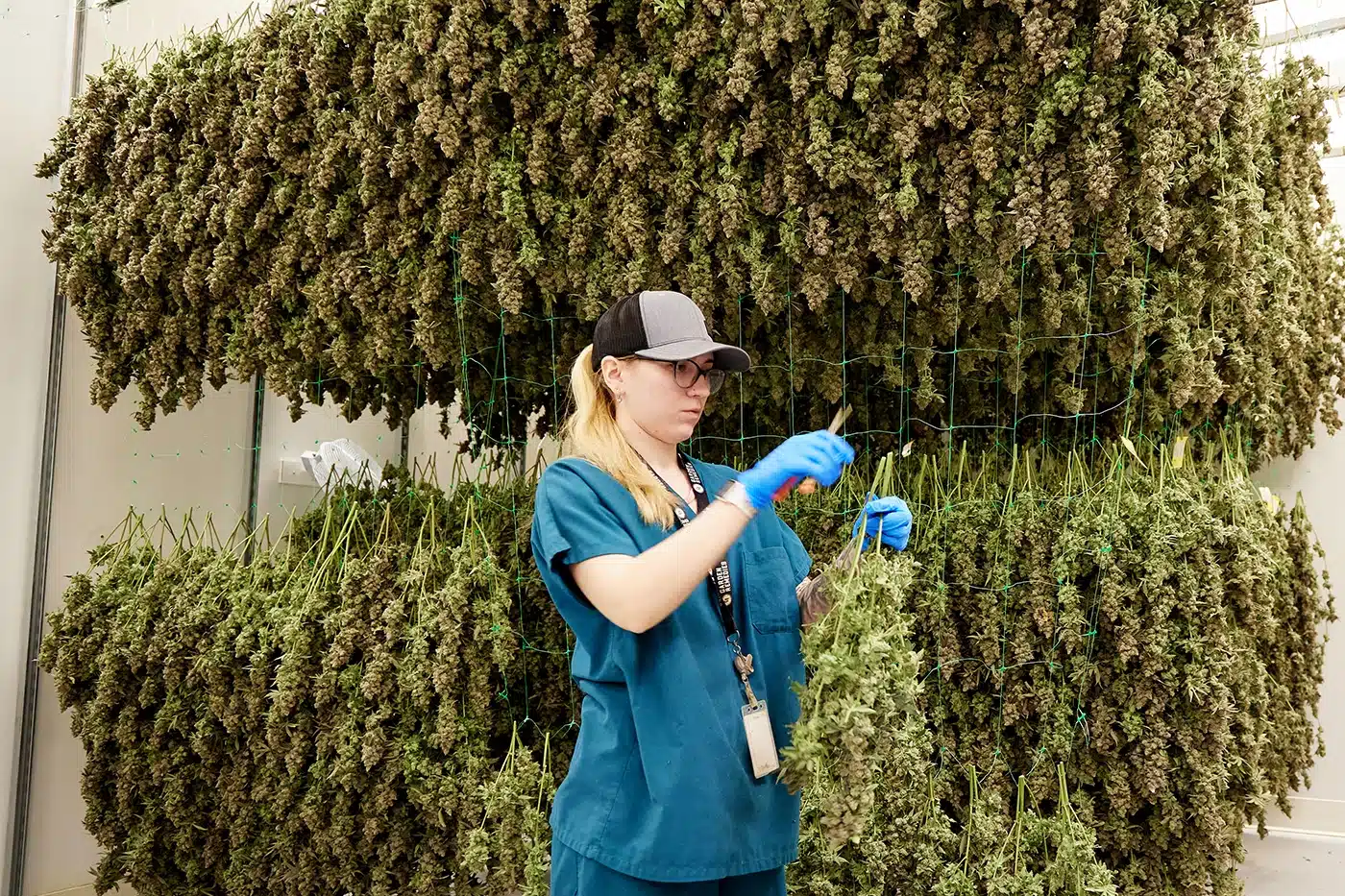
Massachusetts’ cannabis industry supports jobs across cultivation, manufacturing, retail, logistics, administration, and compliance.
According to reporting by CommonWealth Beacon, the industry supports approximately 20,000 jobs statewide.
These are people who have built careers in a legal, state-regulated industry.
A repeal of recreational cannabis sales could threaten employment opportunities across the industry, particularly at businesses that cannot transition successfully to the medical market.
For workers and their families, changes to the cannabis industry are not simply a question of public policy. They can affect household income, career stability, and long-term financial security.
4. Massachusetts Could Lose Significant Tax Revenue
Legal recreational cannabis sales generate substantial tax revenue for Massachusetts and its municipalities.
According to the Commonwealth’s official fiscal statement for Question 8, recreational cannabis taxation generated approximately:
- $280 million in state tax revenue in fiscal year 2025
- $50 million in local tax revenue in fiscal year 2025
That represents approximately $330 million in combined state and local tax revenue for that fiscal year.
The state’s fiscal statement confirms that repealing recreational retail sales would reduce government revenue from these taxes.
State tax revenue helps support public spending, including aid to local governments. Municipal revenue also contributes to local budgets.
The exact financial consequences would depend on future sales, government spending decisions, and other economic factors. Nevertheless, removing a significant source of tax revenue would create budgetary considerations for Massachusetts and its communities.
5. The Unregulated Cannabis Market Could Become More Attractive
One of the central questions surrounding Question 8 is what happens to cannabis demand when legal recreational retail sales disappear.
Repealing licensed sales would not necessarily mean adults stop consuming cannabis.
Without recreational dispensaries, some consumers could turn to unlicensed sellers, where products may not undergo Massachusetts’ required testing or provide reliable information about potency and ingredients.
This raises an important public health question: Is eliminating the legal retail market an effective way to address cannabis-related risks, or would stronger regulation, education, and enforcement be more effective?
Supporters and opponents of Question 8 disagree about the answer.
What is clear is that the proposed law would eliminate the regulated recreational sales system while retaining limited legal adult possession.
What Question 8 Could Mean for Garden Remedies
For Garden Remedies, this ballot question is personal.
We operate dispensaries in Melrose, Marlborough, and Newton, serving customers and providing employment opportunities in Massachusetts communities.
Like other licensed cannabis businesses, our operations are shaped by state regulations, compliance requirements, and the legal framework governing cannabis sales.
If Question 8 passes, our recreational operations would be directly affected.
The implications could extend to our employees, business investments, relationships with suppliers, and the customers who rely on our dispensaries for access to regulated cannabis products.
We also recognize that our stores are part of larger communities. The potential consequences of repeal extend beyond any individual business to the broader network of people and organizations connected to Massachusetts’ cannabis industry.
Garden Remedies opposes Question 8. We believe the future of cannabis policy should be discussed with careful attention to consumer safety, responsible regulation, employment, and the economic contributions of licensed businesses.
We also recognize the importance of addressing legitimate public health concerns and continuing to improve how cannabis is regulated in Massachusetts.
Jeffrey Herold, CEO of Garden Remedies, wrote a letter to the editor at Lynnfield Weekly News regarding Question 8.
Make an Informed Decision About Question 8
The November 3, 2026 election gives Massachusetts voters an opportunity to consider the future of recreational cannabis in the Commonwealth.
Question 8 presents a choice between maintaining the current legal recreational marketplace and ending recreational retail sales while preserving medical cannabis access and limited adult possession.
Before voting, we encourage Massachusetts residents to read the proposed law, review the arguments on both sides, and consider the possible consequences for consumers, employees, businesses, and local communities.
Important Massachusetts Voting Dates
- October 17, 2026: In-person early voting begins.
- October 24, 2026: Voter registration deadline.
- October 27, 2026: Deadline for receipt of vote-by-mail applications.
- October 30, 2026: In-person early voting ends.
- November 3, 2026: Election Day.
Helpful Election Resources
- Massachusetts Question 8 – Official Ballot Information
- Massachusetts Secretary of the Commonwealth – Elections and Voting
- Register to Vote or Check Your Registration
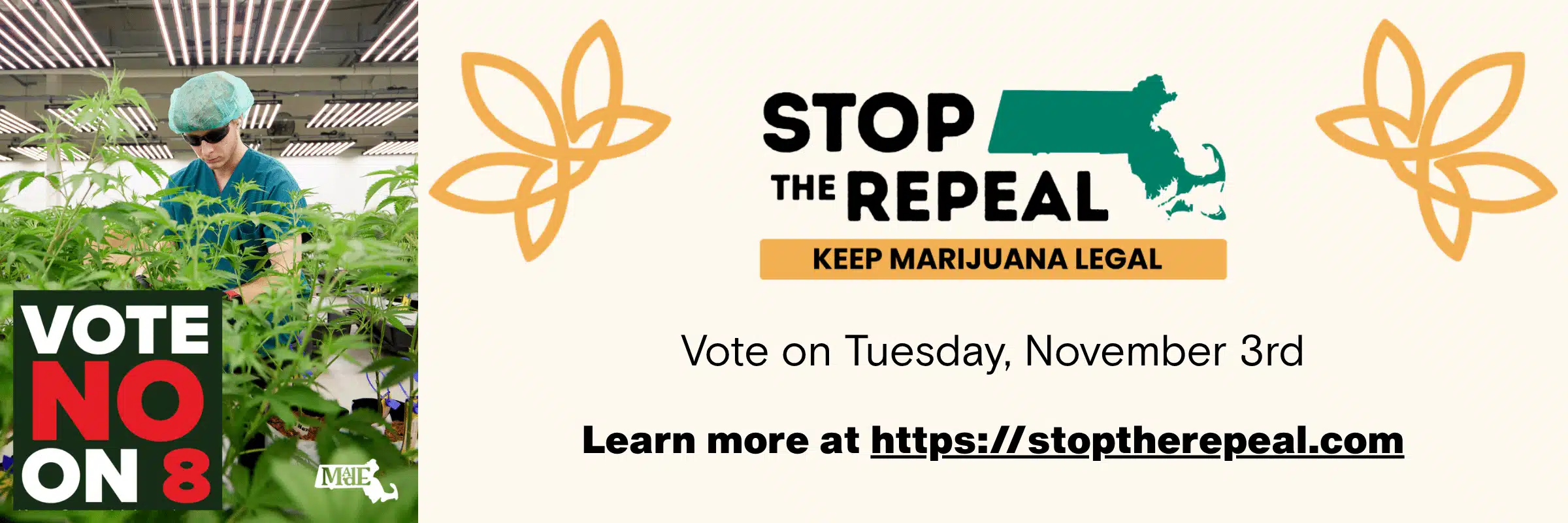
- Stop the Repeal – Campaign Opposing Question 8
The Future of Cannabis in Massachusetts Affects All of Us
Massachusetts has spent nearly a decade developing a regulated recreational cannabis marketplace. That system has created businesses, jobs, consumer protections, and tax revenue, while also raising important questions about public health and responsible use.
Question 8 would fundamentally change that system.
For Garden Remedies, our employees, our customers, and the communities we serve, the outcome could have lasting consequences.
Whatever your position on Question 8, we encourage you to understand what is at stake, review reliable information, and participate in the November election.