Choosing cannabis flower can feel surprisingly complicated. Walk into a modern dispensary and you are immediately faced with dozens of options. Some products boast high THC percentages. Others highlight terpene profiles, cultivation methods, or exotic strain names that sound more like craft cocktails than cannabis. For a new consumer, and even for experienced shoppers, it can be difficult to know where to begin.
The truth is that choosing great cannabis flower is less about finding the strongest product on the shelf and more about finding the product that fits your preferences. Cannabis is a deeply personal experience. What one person considers their perfect flower may not be the right fit for someone else. Understanding a few key factors can help you shop with confidence and discover products that align with your goals.
Looking Beyond THC
One of the most common mistakes consumers make is focusing entirely on THC percentage. It is easy to understand why. THC is often the first number people notice on a package, and many assume that a higher number automatically means a better experience.
In reality, cannabis is far more complex.
Imagine two flower products sitting side by side. One contains 32 percent THC, while the other contains 22 percent. Most shoppers would instinctively reach for the stronger option. However, many experienced consumers know that the flower with lower THC may actually provide a more enjoyable experience depending on its terpene profile, freshness, and overall quality.
Cannabis contains dozens of cannabinoids and aromatic compounds that work together. This relationship is often referred to as the entourage effect. Rather than acting independently, these compounds interact with one another to shape the overall experience.
This is why some consumers find that a flower with moderate THC can feel more balanced, flavorful, and satisfying than a product chosen solely for its potency.
Understanding the Role of Terpenes
If cannabinoids are responsible for much of what cannabis does, terpenes are responsible for much of what cannabis feels like.
Terpenes are naturally occurring compounds found in cannabis and countless other plants. They are responsible for the scents and flavors we associate with different flowers. The smell of citrus, pine, berries, earth, spice, or fuel all comes from various terpene combinations.
Think about walking through a pine forest after rainfall or peeling a fresh orange. Those distinctive aromas come from terpenes. Cannabis contains many of the same compounds.
For consumers, terpenes can be incredibly valuable because they often provide clues about the overall character of a flower. A cultivar rich in limonene may deliver bright citrus aromas and an uplifting profile. A flower high in myrcene may lean toward earthy notes and a more relaxing experience.
As consumers gain experience, many discover that they consistently gravitate toward specific terpene profiles regardless of strain names or THC percentages. Paying attention to these details can transform the way you shop for cannabis.
Why Aroma Matters
One of the simplest ways to evaluate flower quality is through smell.
Fresh cannabis should have a noticeable aroma as soon as the container is opened. The scent might be sweet, fruity, earthy, floral, spicy, or pungent, but it should be present and distinct.
Aroma tells a story about the flower. It can reveal how well the plant was grown, cured, and stored. Strong aromas often indicate that valuable terpenes have been preserved throughout the cultivation process.
By contrast, flower with little scent or a stale smell may have lost some of the compounds that contribute to its flavor and overall character.
Many experienced cannabis enthusiasts trust their nose almost as much as laboratory results. While numbers provide useful information, aroma offers insight into the condition and quality of the flower itself.
Explore New Realms
Realm is Garden Remedies’ brand of premium flower. Each Realm has strains that share similar flavor and aroma profiles:
Fuel, Earth, Floral, Fruit, Sweet
The Importance of Freshness
Freshness plays a larger role in cannabis quality than many consumers realize.
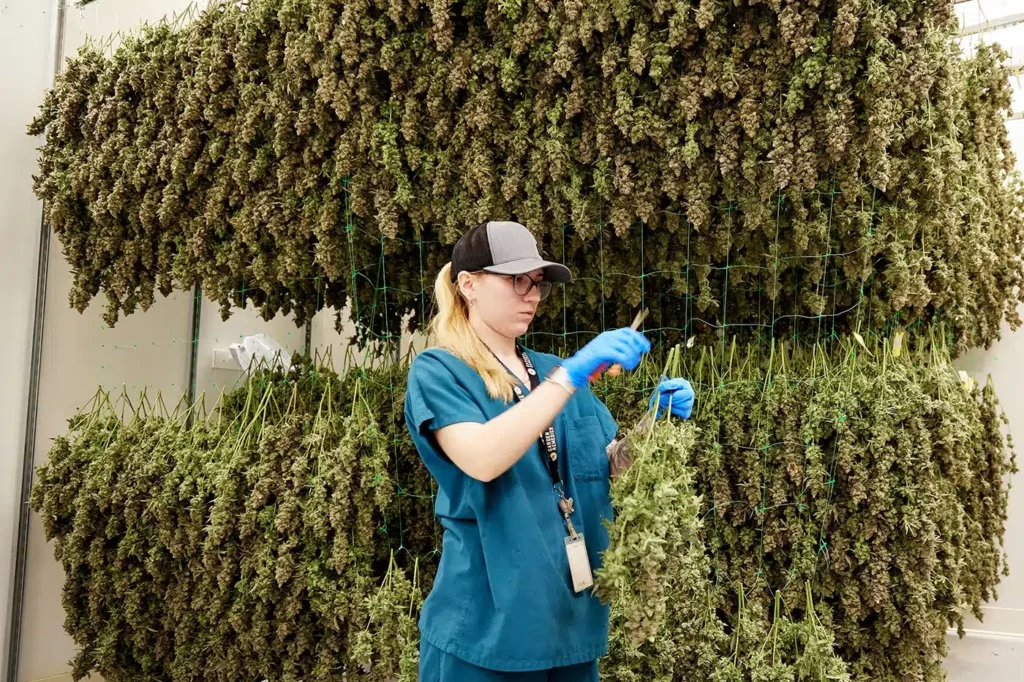
Growing cannabis requires patience and expertise, but harvesting is only one step in the journey. After harvest, flower must be carefully dried and cured to preserve cannabinoids, terpenes, and overall quality.
Properly cured flower tends to burn more evenly, taste better, and provide a smoother experience. It also retains more of the plant’s natural aroma and flavor.
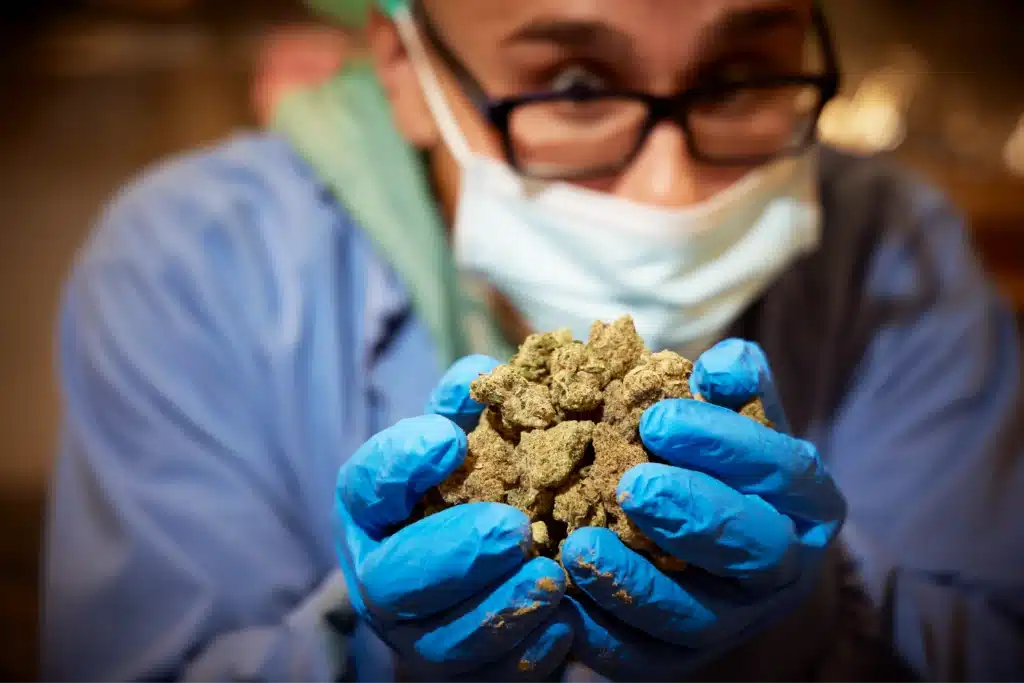
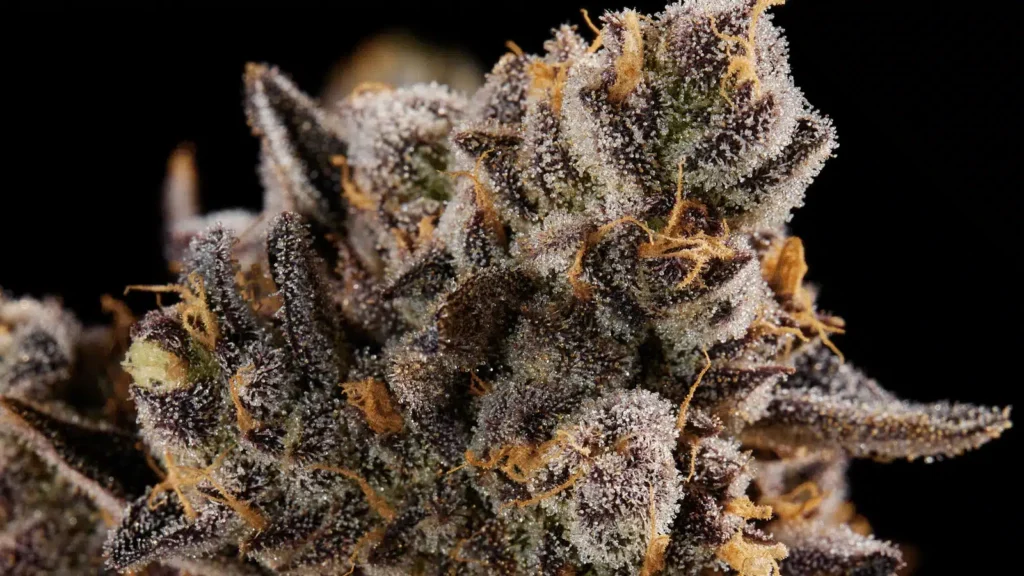
Fresh flower often feels slightly sticky to the touch because of the trichomes coating the buds. These tiny crystal like structures contain many of the cannabinoids and terpenes that make cannabis unique.
Flower that is excessively dry may still be usable, but it often loses some of the characteristics that consumers value most.
Appearance Can Tell You a Lot
Visual appeal is another important factor, although it should never be the only one.
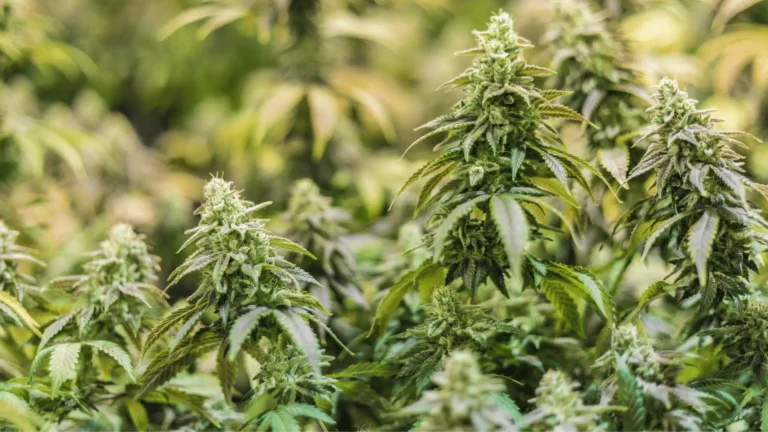
High quality cannabis flower often displays vibrant colors ranging from deep green to shades of purple and orange. A healthy coating of trichomes gives buds a frosty appearance that many consumers associate with premium products.
However, appearance alone does not determine quality.
Some exceptional cultivars naturally produce smaller or less visually striking buds. Likewise, a beautiful flower can still disappoint if it lacks aroma, freshness, or a desirable terpene profile.
Think of appearance as one piece of a much larger puzzle. The best cannabis flower combines visual appeal with aroma, freshness, and a well developed cannabinoid profile.
Understanding Strain Categories
For decades, consumers have relied on the labels indica, sativa, and hybrid when selecting cannabis.
While these categories remain useful as a starting point, modern cannabis cultivation has blurred many of the traditional distinctions. Most cultivars available today contain genetics from multiple lineages, making it difficult to predict effects based solely on these labels.
Instead of relying exclusively on strain categories, consider them part of a broader conversation. Looking at terpene profiles, cannabinoid content, and your own past experiences often provides a clearer picture of what to expect.
The more you explore cannabis, the more you may find that the details behind the label matter more than the label itself.
Finding What Works for You
Perhaps the most important thing to remember is that cannabis is highly personal.
Two people can consume the exact same flower and walk away with very different impressions. Factors such as tolerance, body chemistry, environment, and mindset all contribute to the experience.
This is why keeping track of products you enjoy can be so valuable. Over time, patterns begin to emerge. You may notice that you consistently enjoy citrus forward cultivars or that earthy terpene profiles tend to align with your preferences.
These observations can help guide future purchases and make shopping significantly easier.
The Bottom Line
Choosing cannabis flower is not about chasing the highest THC percentage or selecting the most popular strain name. It is about understanding the qualities that contribute to a great experience and learning how those qualities align with your personal preferences.
The best flower is not necessarily the strongest or the most expensive. It is the one that delivers the experience you are looking for, whether that means rich flavor, balanced effects, a memorable aroma, or simply an enjoyable way to unwind at the end of the day.
As the cannabis industry continues to evolve, consumers have more choices than ever before. Taking the time to understand what makes each flower unique can turn a routine purchase into an opportunity for discovery, helping you find products that truly fit your lifestyle and preferences.