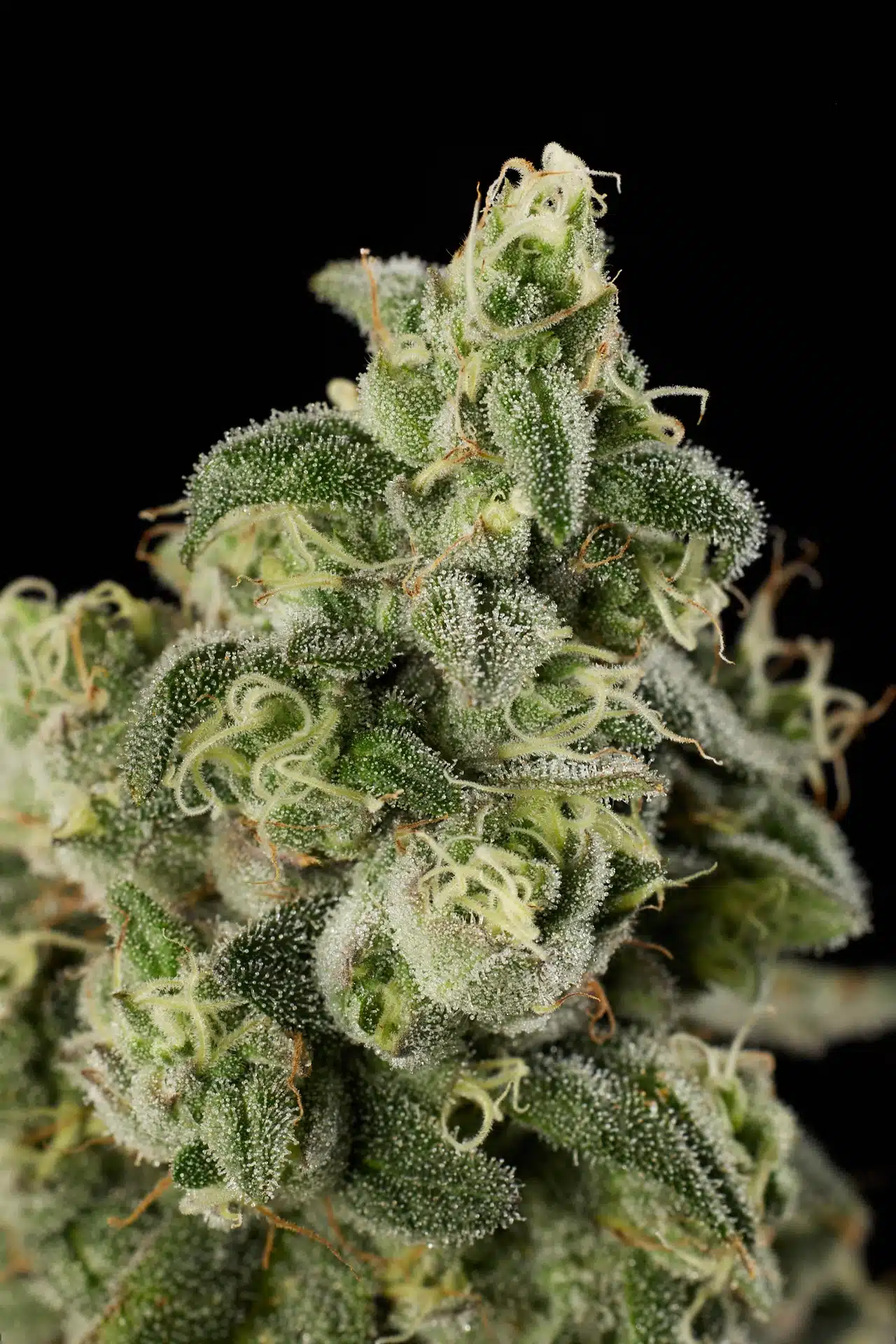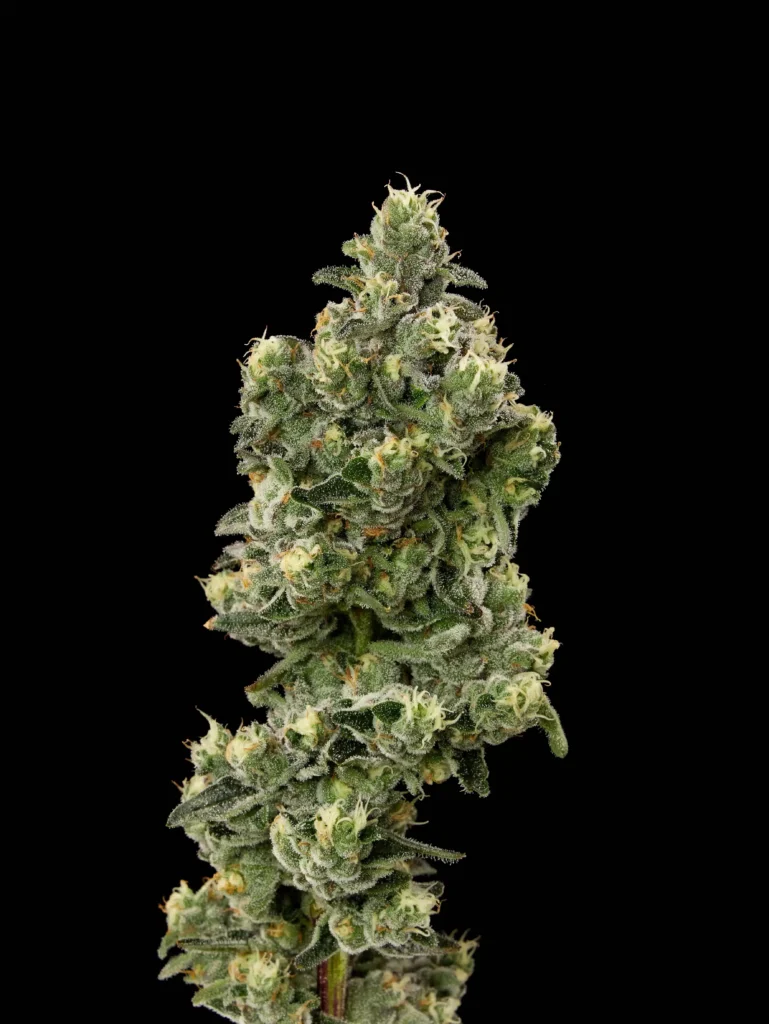
If you’ve ever looked closely at a premium cannabis bud and noticed it shimmering like it’s been dusted in sugar, you’ve already seen trichomes at work.
Trichomes are one of the most important parts of cannabis flower — not just for appearance, but for potency, aroma, flavor, and effect. They’re the reason some cultivars sparkle, smell loud, and deliver a rich, terpene-heavy experience.
Let’s break down what trichomes are, what they do, and why they matter so much.
What Are Trichomes?
Trichomes are tiny, resin-producing glands that form on the surface of cannabis flower.
The word trichome comes from the Greek word for “hair,” and that’s exactly what they are: microscopic outgrowths that develop on the plant as it matures.
But cannabis trichomes aren’t just plant fuzz — they’re biochemical factories. They produce and store the compounds that define the cannabis experience, including:
- Cannabinoids (like THC and CBD)
- Terpenes (aroma and flavor compounds)
- Flavonoids (additional scent and effect contributors)
In other words: trichomes are where cannabis becomes cannabis.
Where Are Trichomes Found?
Trichomes appear all over the cannabis plant, but they’re most concentrated in one place:
The flower.
Specifically, trichomes cover:
- The bud itself
- The calyxes (the swollen structures that make up the flower)
- The sugar leaves (the small frosty leaves surrounding the bud)
You’ll find fewer trichomes on fan leaves and stems, and almost none on the roots. The plant puts its resin production where it matters most: around the reproductive parts of the flower.
What Do Trichomes Look Like?
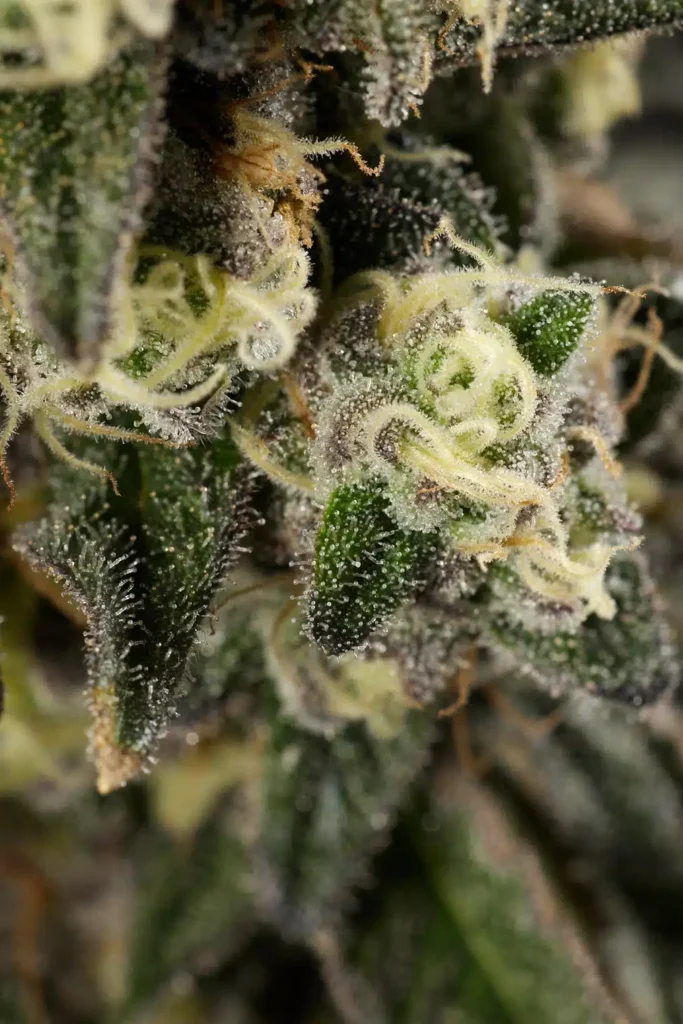
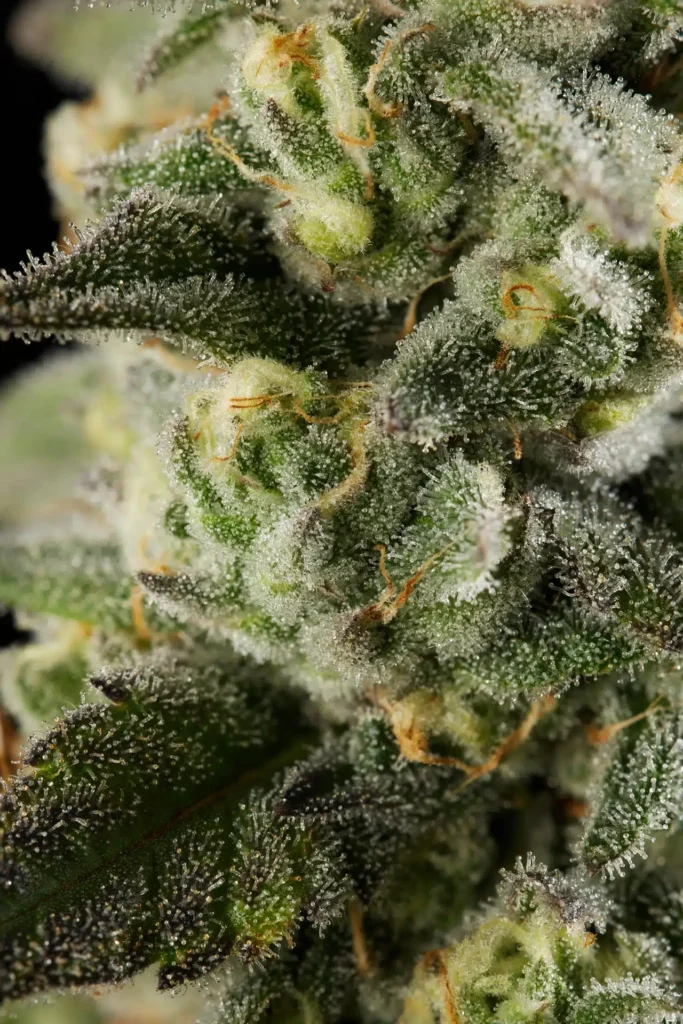
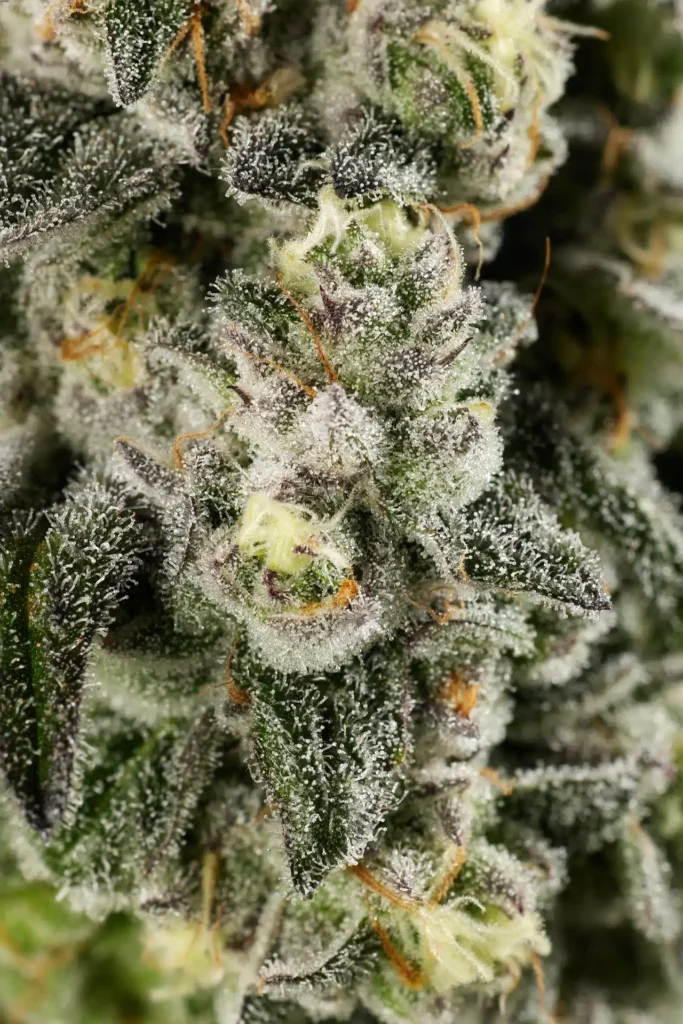
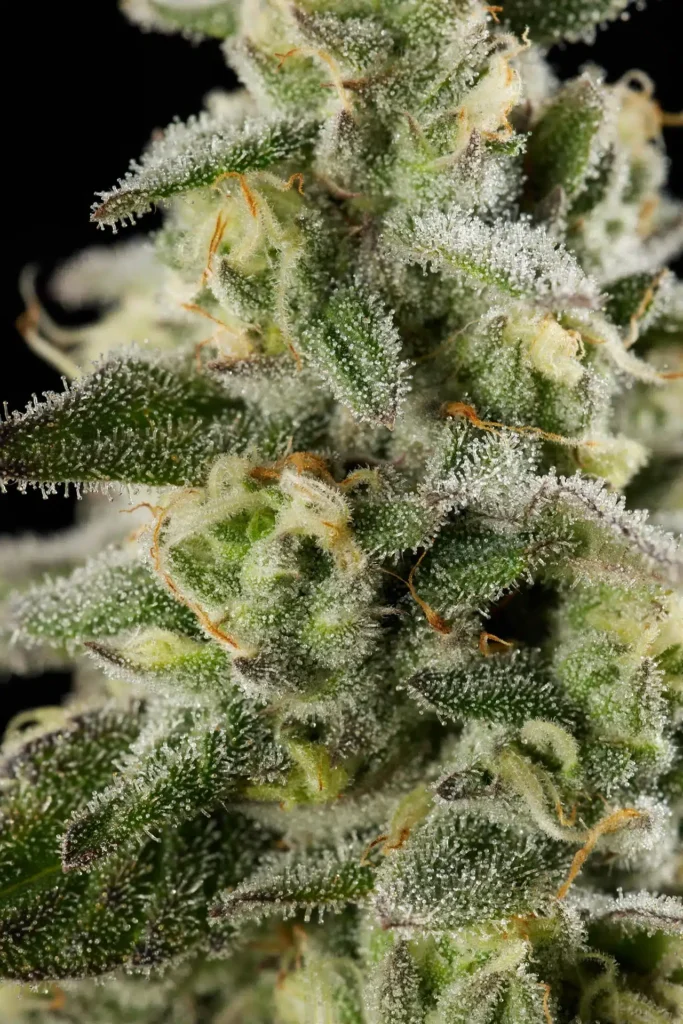
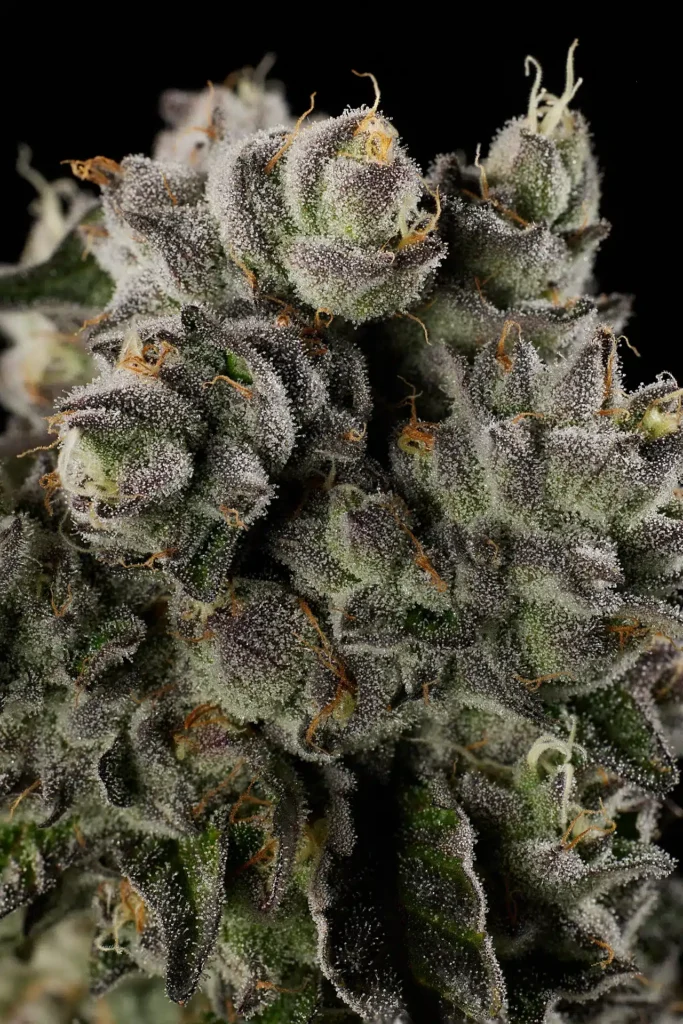
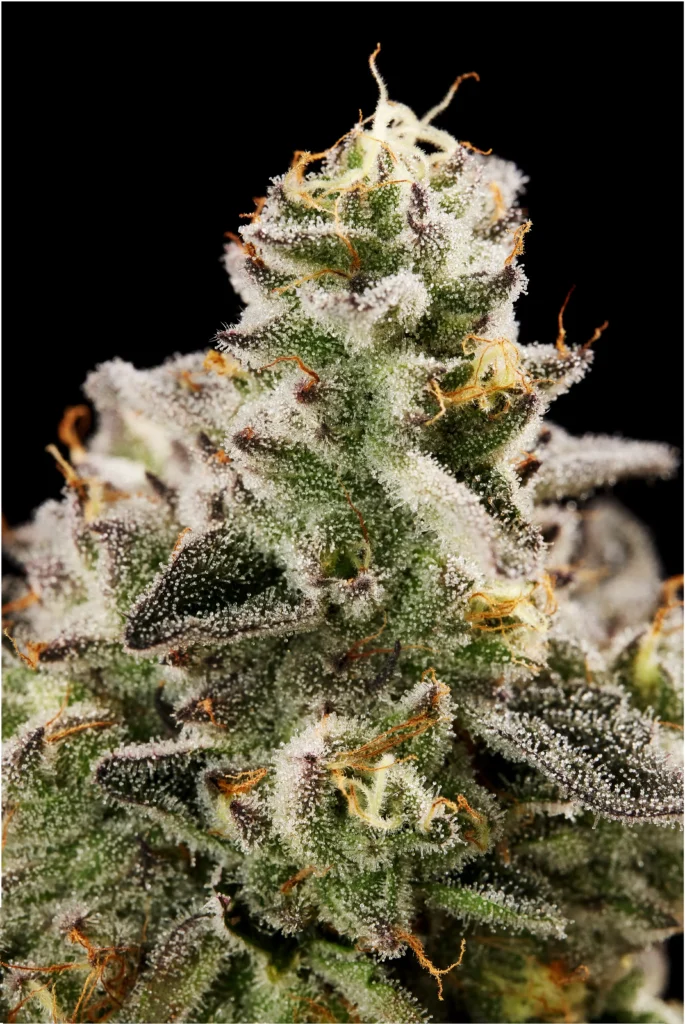
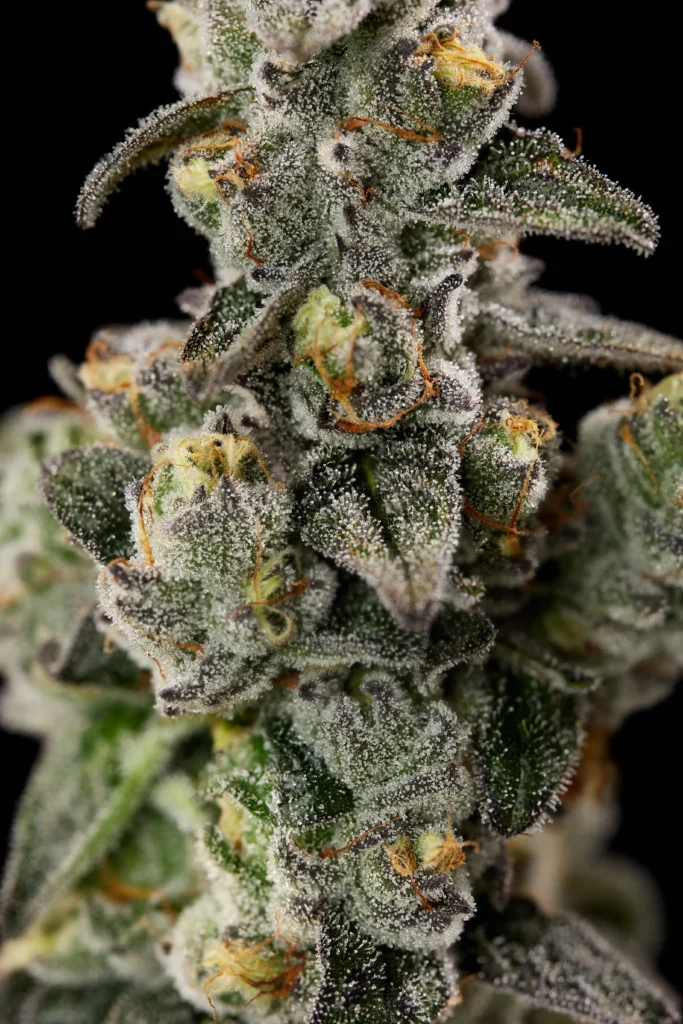
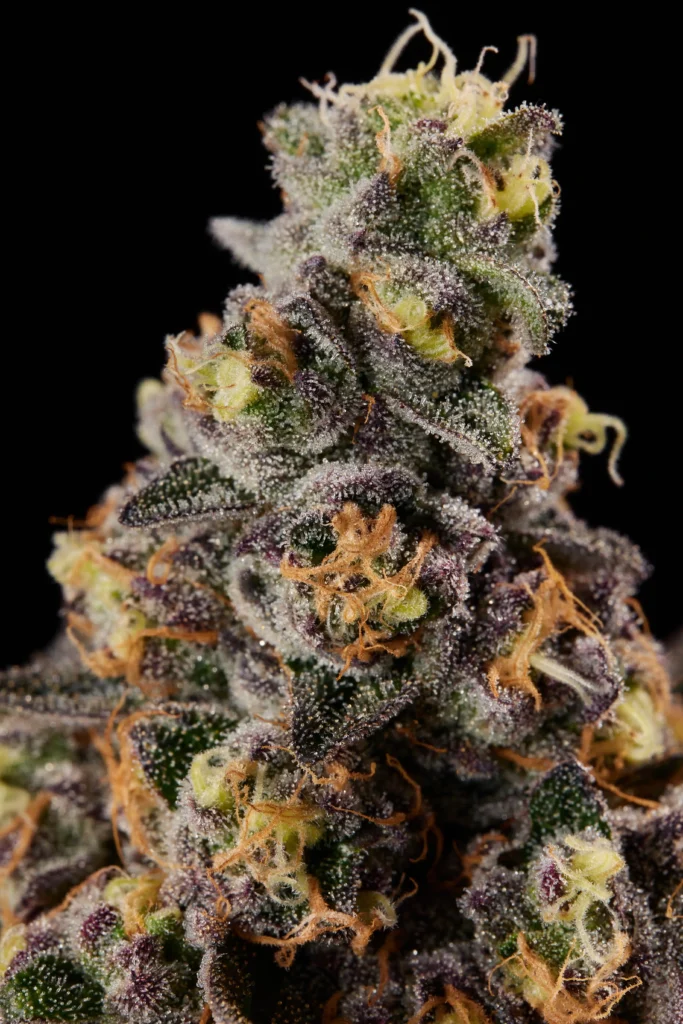
To the naked eye, trichomes appear as:
- Frost
- Crystal dust
- Sparkle
- A sticky, glittery coating
Up close — especially under a magnifying lens — they look like tiny mushrooms:
- A thin stalk
- A bulbous resin-filled head
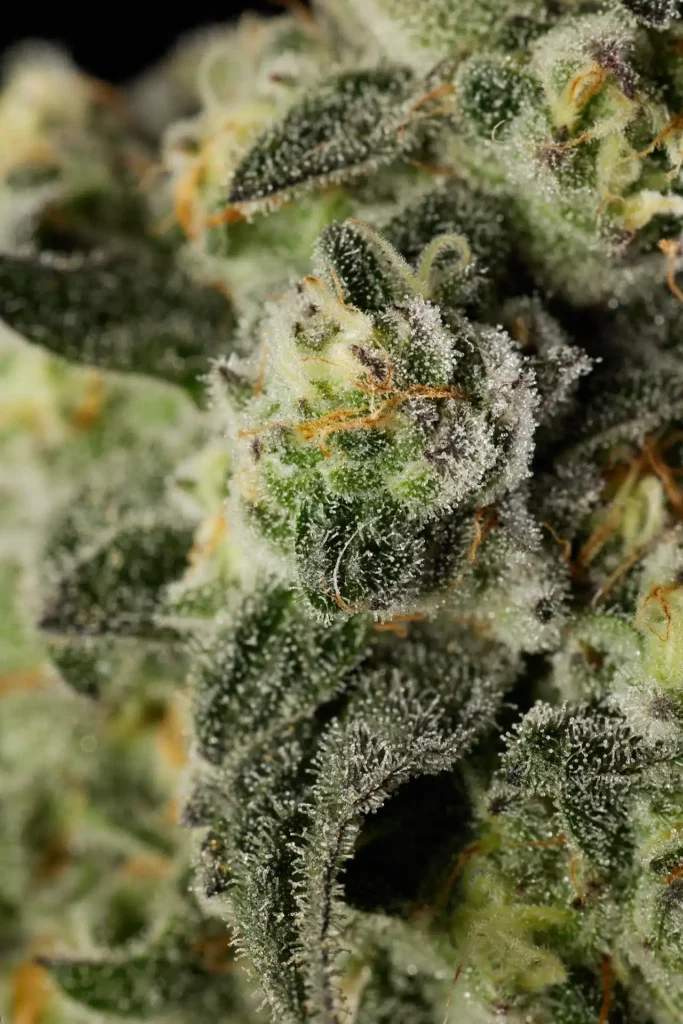
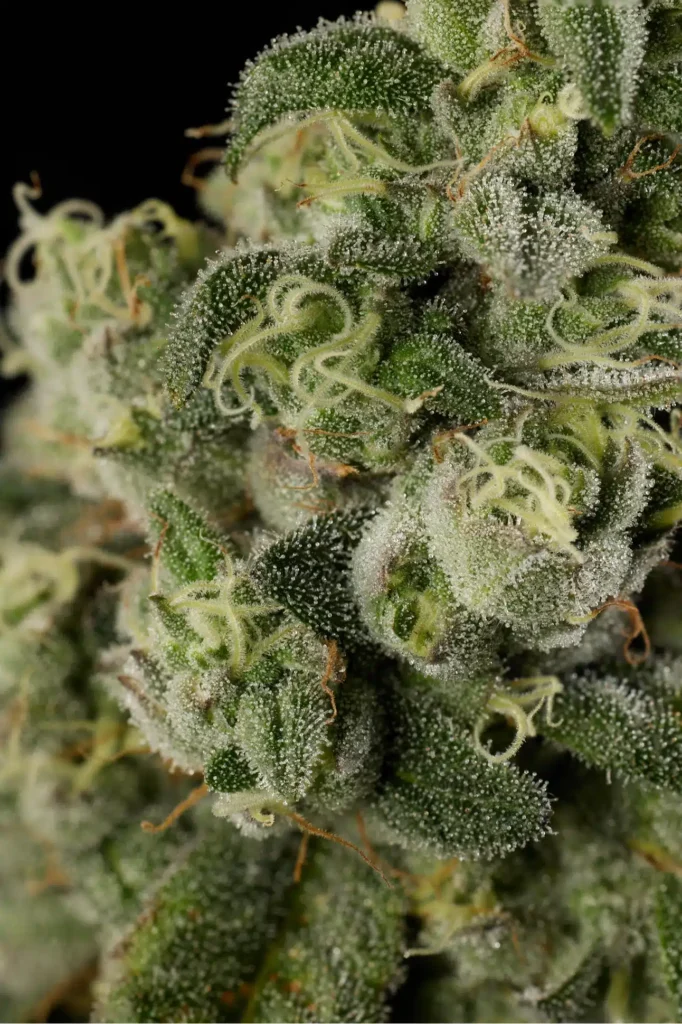
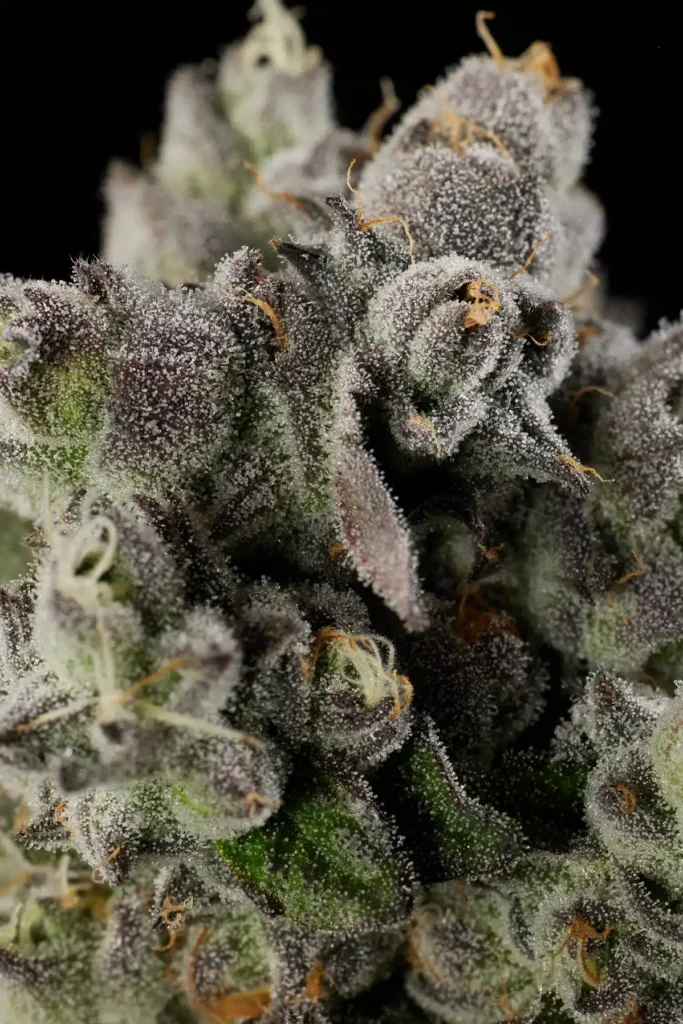
Cannabis trichomes generally fall into three main types:
1. Bulbous Trichomes
The smallest and least visible, bulbous trichomes are often only detectable under a microscope. They appear early in the plant’s development and produce minimal resin, but they represent the first stage of the plant’s natural defense and cannabinoid production system.
2. Capitate-Sessile Trichomes
More common than bulbous trichomes, capitate-sessile trichomes have a larger resin head but sit close to the surface with little or no stalk. These begin to contribute more noticeably to aroma and cannabinoid content, especially as the plant moves deeper into the flowering stage.
3. Capitate-Stalked Trichomes
The stars of the show, capitate-stalked trichomes are the large, frosty glands that give premium cannabis its crystal-coated appearance. These contain the highest concentration of cannabinoids and terpenes, making them the primary source of potency, flavor, and the rich sensory experience that defines top-shelf flower.
When you hear “frosty nugs,” people are talking about these.
Together, these trichome types represent a progression — from early, low-output resin glands to fully developed cannabinoid and terpene powerhouses — with capitate-stalked trichomes doing the heavy lifting when it comes to flavor, aroma, and effect.
What Are Trichomes Used For?
Trichomes serve several key roles, both for the plant itself and for the lucky consumers.
Potency and Cannabinoid Production
Trichomes contain the highest concentration of THC, CBD, and other cannabinoids. The frostier the bud, the more potential it has to deliver strong effects.
Cannabinoids are produced inside the trichome heads, where they remain protected until the flower is smoked, vaporized, or extracted.
Those loud notes — citrus, gas, pine, herbs, fruit, flowers — come from terpenes stored in trichomes.
Trichomes are essentially the plant’s aroma vault.
When cannabis is cured properly, those terpenes stay intact, giving flower its full sensory character.
Most cannabis concentrates are made by isolating trichomes.
Products like hash, rosin, live resin and kief are all essentially refined collections of trichome resin.
Kief, for example, is literally just fallen trichome heads.
Plant Defense
Trichomes aren’t just for humans — they exist for survival. They help protect the cannabis plant by:
- Deterring insects with sticky resin
- Shielding the flower from UV light
- Reducing moisture loss
- Preventing fungal growth
The plant produces resin to defend its most valuable structure: the flower.
Trichome Color and Harvest Timing
One of the most fascinating things about trichomes is that they change as the plant ripens.
Growers often examine trichomes to determine peak harvest time.
Clear Trichomes
Immature — cannabinoids are still developing.
Cloudy or Milky Trichomes
Peak potency — THC levels are typically highest.
Amber Trichomes
More degraded THC, often associated with deeper, heavier effects.
This is why harvest timing plays such a big role in the final experience of a cultivar.
Why Trichomes Matter for Flower Quality
Trichomes are more than sparkle.
They are the core of what makes cannabis:
- Potent
- Aromatic
- Flavorful
- Effective
- Extractable
- Unique cultivar to cultivar
Every Realm profile — fruity, floral, earthy, fuel-heavy, sweet — starts in the trichomes.
So the next time you open a jar and see that frost shining back at you, you’re looking at the plant’s most important feature: the crystal engine behind the experience.
Trichomes Are the Heart of Cannabis Flower
When you’re choosing cannabis flower, trichomes are one of the best visual indicators of quality. Frosty, resin-rich buds often signal:
- Strong terpene expression
- Proper cultivation and curing
- High cannabinoid potential
- Freshness and care in handling
Trichomes are delicate — they can be knocked off through rough processing or poor storage. That’s why craft cannabis is so focused on preserving them from harvest to jar.