The short answer is that THC is the best-known intoxicating cannabinoid in cannabis. It is the compound most closely associated with the “high” people connect with marijuana, though cannabis products can contain many other cannabinoids and plant compounds too. This guide explains how THC works, how it compares with CBD, what THC-P is, and what to know before interpreting product labels or claims.
What is THC, and why does it matter?
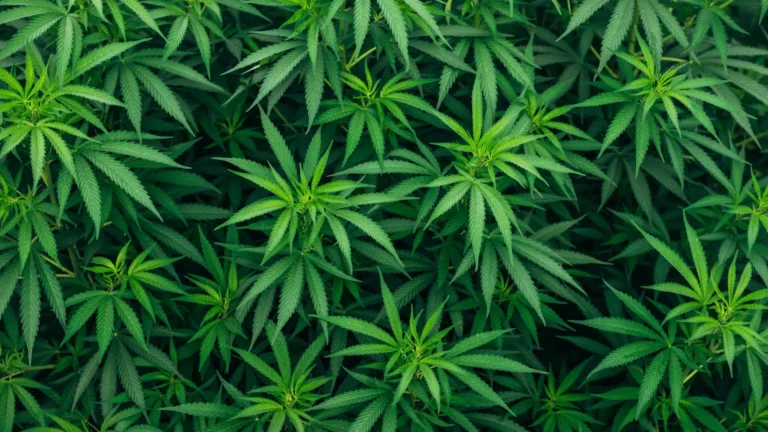
THC stands for tetrahydrocannabinol, and delta-9 THC is the primary cannabinoid responsible for the mind-altering effects of cannabis. The cannabis plant contains hundreds of chemical compounds and more than 100 cannabinoids, but THC is the one most commonly linked with intoxication, changes in perception, and impairment.
THC matters because it affects how a cannabis product feels, how long its effects may last, and what risks may be involved. A product with a high THC concentration can feel very different from a low-THC product, especially for someone with little or no tolerance. It also matters legally: in the United States, hemp is generally distinguished from marijuana by whether the cannabis plant or derivative contains no more than 0.3% delta-9 THC on a dry-weight basis, while marijuana remains treated differently under federal law.
THC is not just one thing in everyday conversation. People may say “THC” when they mean delta-9 THC, but the marketplace also includes terms such as delta-8 THC, delta-10 THC, THCA, and THC-P. These names can sound similar, yet they do not always have the same effects, legal status, research base, or safety profile.
How THC Works in the Body
THC interacts with the body’s endocannabinoid system, a signaling network involved in functions such as mood, memory, appetite, pain perception, and sleep. The compound’s intoxicating effects are largely tied to its activity at cannabinoid receptors, especially CB1 receptors in the brain and nervous system. This is why THC can influence both physical sensations and mental experience.
Commonly reported THC effects may include relaxation, altered sensory perception, increased appetite, laughter, sleepiness, or a changed sense of time. Less pleasant effects can include anxiety, panic, dizziness, confusion, impaired coordination, or short-term memory problems. The National Institute on Drug Abuse notes that cannabis use can affect brain function and mental health, and that research continues on both potential therapeutic uses and possible harms.
The way THC is consumed also matters. Inhaled cannabis tends to be felt sooner than edibles, while edible products can take longer to produce effects and may last longer. This delayed onset is one reason people sometimes take more than intended before the first dose has fully registered.
A few practical factors shape the THC experience:
- Potency: More THC can increase the chance of strong intoxication and unwanted effects.
- Tolerance: Frequent users may respond differently than people who use cannabis rarely.
- Product type: Flower, concentrates, vapes, tinctures, and edibles can deliver THC differently.
- Setting and mindset: Stress, unfamiliar surroundings, or mixing substances can change the experience.
- Individual biology: Body chemistry, medications, sleep, food intake, and health conditions may all matter.
THC vs CBD: What is the Difference?
The simplest way to understand THC vs CBD is this: THC is intoxicating, while CBD is generally described as non-intoxicating. Both are cannabinoids found in cannabis, but they interact with the body differently and are used in different kinds of products. NIDA describes THC as having intoxicating, mind-altering effects and CBD as a non-intoxicating cannabinoid compound.
CBD, short for cannabidiol, became widely known through hemp products such as oils, gummies, capsules, and topicals. However, “non-intoxicating” does not mean risk-free. The FDA has approved one prescription CBD drug product and has also identified potential risks related to CBD, including liver toxicity, extreme sleepiness, and harmful interactions with other drugs.
THC and CBD may appear together in full-spectrum cannabis or hemp products. When both are present, the product’s effects depend on the amount of each cannabinoid, the dose, the route of use, and the person taking it. A CBD product can also contain enough THC to matter, especially if the labeling is unclear or the product has not been reliably tested.
Here is a plain-language comparison:
- THC: Associated with intoxication, impairment, euphoria, altered perception, appetite changes, and possible anxiety or paranoia.
- CBD: Generally not associated with a “high,” but still biologically active and capable of side effects or drug interactions.
- Both: Can appear in oils, edibles, capsules, vapes, topicals, and cannabis flower depending on the product and jurisdiction.
- Neither: Should be assumed safe simply because it is plant-derived or widely available.
For consumers, the key takeaway is to read labels carefully and avoid treating “hemp,” “CBD,” or “cannabis-derived” as automatic markers of safety or legality. The FDA continues to regulate cannabis-derived products and has issued warning letters related to CBD and other cannabis-derived products when companies market them in ways the agency considers unlawful or unsafe.
THC Potency and Product Labels Deserve Attention
THC potency is usually shown as a percentage, milligrams per serving, or milligrams per package. Flower is commonly labeled by percentage, while edibles are often labeled by milligrams of THC. Concentrates can contain much higher THC levels than many forms of cannabis flower, so the same “amount” by weight may not mean the same intoxicating strength.
This is where label literacy becomes important. A package may emphasize flavor, strain name, or branding, but the useful details are usually the cannabinoid content, serving size, batch testing information, ingredients, and warnings. If a label is vague, makes sweeping medical promises, or does not clearly explain THC content, that is a reason to be cautious.
Before using any THC product, a careful reader should check:
- Type of THC listed: Delta-9, delta-8, THCA, THC-P, or another cannabinoid.
- Amount per serving: Not just the total amount in the package.
- Testing information: Whether a recent certificate of analysis is available from a credible lab.
- Other cannabinoids: CBD, CBN, CBG, or minor cannabinoids may affect the overall profile.
- Ingredients: Especially in edibles, beverages, and vape products.
- Warnings: Pregnancy, breastfeeding, medication interactions, age restrictions, and impairment notices.
The FDA advises against using cannabis or CBD products during pregnancy or while breastfeeding, noting concerns about potential risks and the increasing availability of varied cannabis-derived products. (fda.gov) Anyone with a medical condition, a history of substance use concerns, or prescription medications should speak with a qualified health professional before using cannabinoid products.
What is THC-P?
THC-P or THCP, short for tetrahydrocannabiphorol, is a cannabinoid related to THC that was reported in 2019 as a naturally occurring compound isolated from Cannabis sativa, though it appears in very small amounts in the plant.
THC-P has attracted attention because early laboratory research found that it binds strongly to cannabinoid receptors, especially CB1 receptors. In the 2019 Scientific Reports study, researchers described THC-P as a THC-like compound with high receptor affinity and cannabimimetic activity in animal testing.
That does not mean every THC-P product on the shelf is well understood, safe, accurately labeled, or appropriate for use. Research on THC-P in humans remains limited, and market availability often moves faster than scientific understanding. When a product claims extreme potency, the safest interpretation is caution rather than curiosity.
THC-P is also a good reminder that cannabis chemistry is more complex than a single number on a label. Minor cannabinoids can sound exciting, but “new,” “rare,” or “strong” should not be mistaken for “better.”
Legal and safety context is not optional
Cannabis laws vary by country, state, and product category, and they can change. In the U.S., federal law, state cannabis programs, hemp rules, food and drug regulations, and controlled-substance scheduling can overlap in confusing ways. The DEA’s controlled substance schedules include tetrahydrocannabinols, while FDA regulation applies to many cannabis and cannabis-derived products depending on how they are marketed and used.
This means a product being sold online or in a local shop is not the same thing as a product being legal, approved, or safe. It also means workplace drug testing, travel rules, housing policies, and professional licensing requirements may still matter. THC exposure can trigger positive drug tests, and product labels do not always make that risk obvious.
Safety is equally practical. THC can impair driving, judgment, coordination, and reaction time. Mixing THC with alcohol, sedatives, or other substances can increase risk. Products that resemble candy or snacks should be stored securely away from children and pets.
A Sensible Way to Think About THC
THC is neither a magic wellness shortcut nor something everyone needs to fear in the same way. It is a psychoactive compound with real effects, real risks, and a complicated legal and regulatory environment. The smartest approach is to separate evidence from marketing and to treat potency, labeling, and personal health factors as important.
For a quick recap:
- THC is the main intoxicating cannabinoid associated with cannabis.
- CBD is different from THC because it is generally non-intoxicating, though it can still have risks.
- THC-P is a lesser-known cannabinoid with limited human research and strong potency claims that deserve caution.
- Product form, dose, tolerance, and label accuracy all influence the experience.
- Laws and regulations vary, so general information should not replace local legal guidance or medical advice.
The bottom line: understanding THC helps you read cannabis conversations, labels, and claims more critically. Whether you are comparing THC vs CBD, researching THC-P, or simply trying to understand cannabis terminology, start with the basics, stay skeptical of bold promises, and prioritize health, legality, and safety over hype.
Got questions? Come visit Garden Remedies at one of our three locations in Melrose, Newton, and Marlborough. Our knowledgeable Cannabis Advisors would be happy to help you select products that work for you and answer any of your concerns.